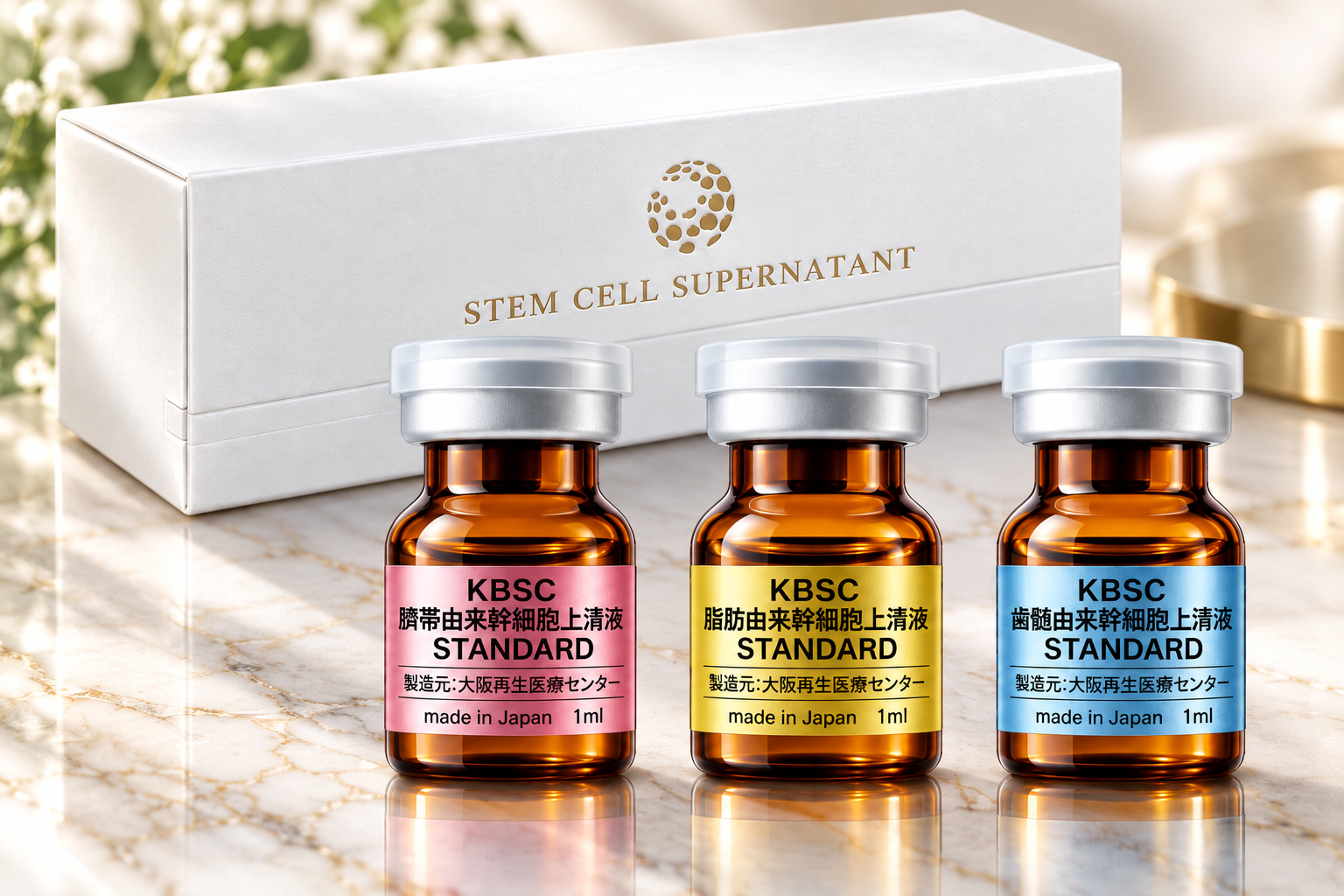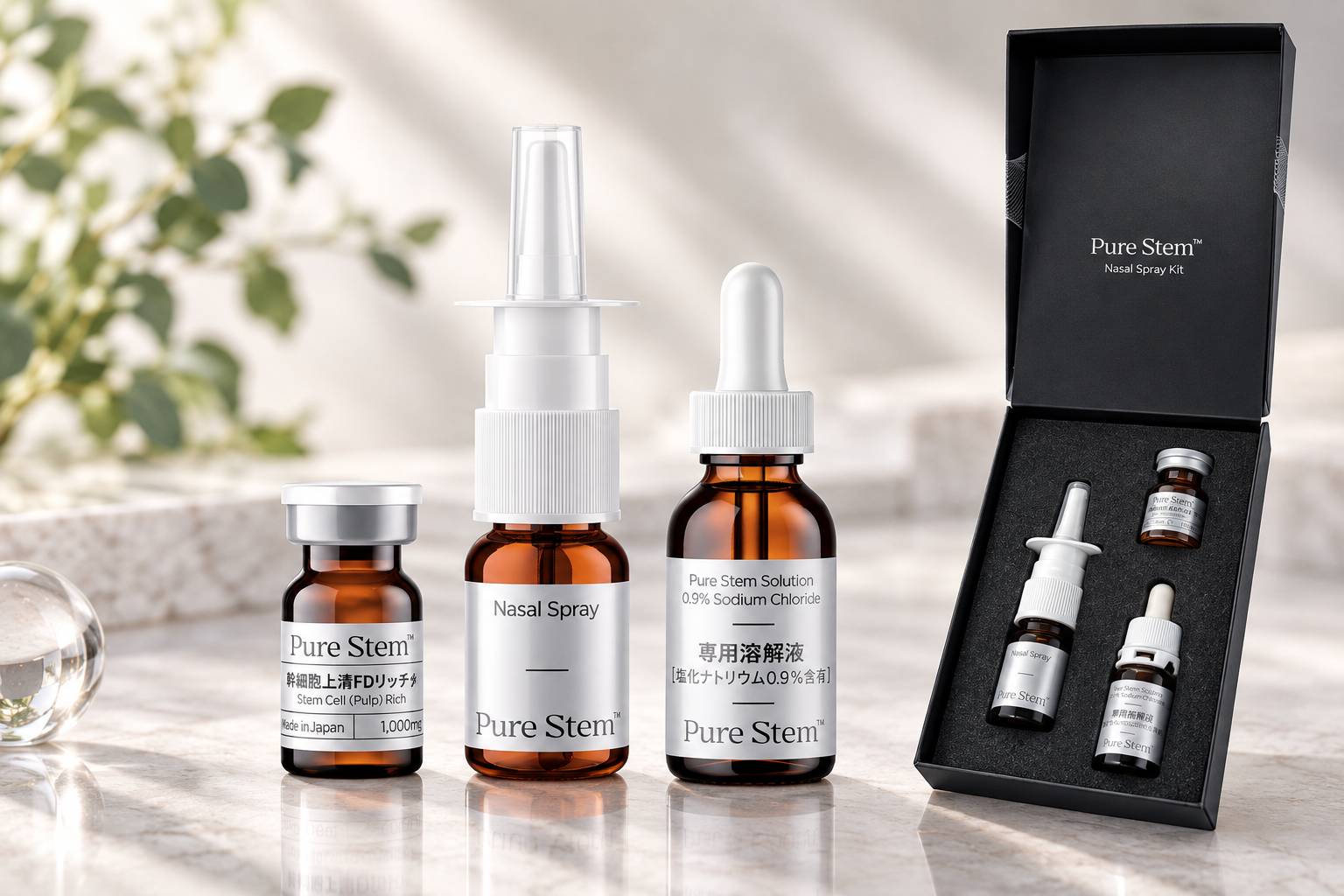
Stem Cell Conditioned Medium
Cell culture→Collection of culture supernatant

Stem cell secretome, developed through cell culture expertise in the field of regenerative medicine and rigorous quality control.
HLE Medical’s stem cell secretome focuses on cell-derived components—such as growth factors, cytokines, and extracellular vesicles (e.g., exosomes)—secreted by stem cells.
Leveraging our cell culture technology and commitment to quality control, we offer products derived from adipose tissue, dental pulp, and umbilical cord.
This product is a research reagent. It is not approved as a pharmaceutical product.
Inquire about our products→
A unique manufacturing design focused on the diverse components secreted by cells.
HLE Medical’s stem cell secretome utilizes a manufacturing process that differs from conventional Stem Cell Conditioned Medium.
By employing a two-stage culture process—separating the cell proliferation phase from the secretion-induction phase—and using a culture medium free from serum or exogenous proteins, we have achieved a product design centered specifically on cell-derived components.
Contains a diverse range of components secreted by stem cells, including growth factors, cytokines, and extracellular vesicles (such as exosomes).
Free from serum and exogenous proteins
Adipose, dental pulp, and umbilical cord—stem cell secretomes derived from each of these cell sources.
HLE Medical offers three types of stem cell secretomes, derived from adipose tissue, dental pulp, and umbilical cord.
We provide product information and quality-related documentation for each cell-derived type.
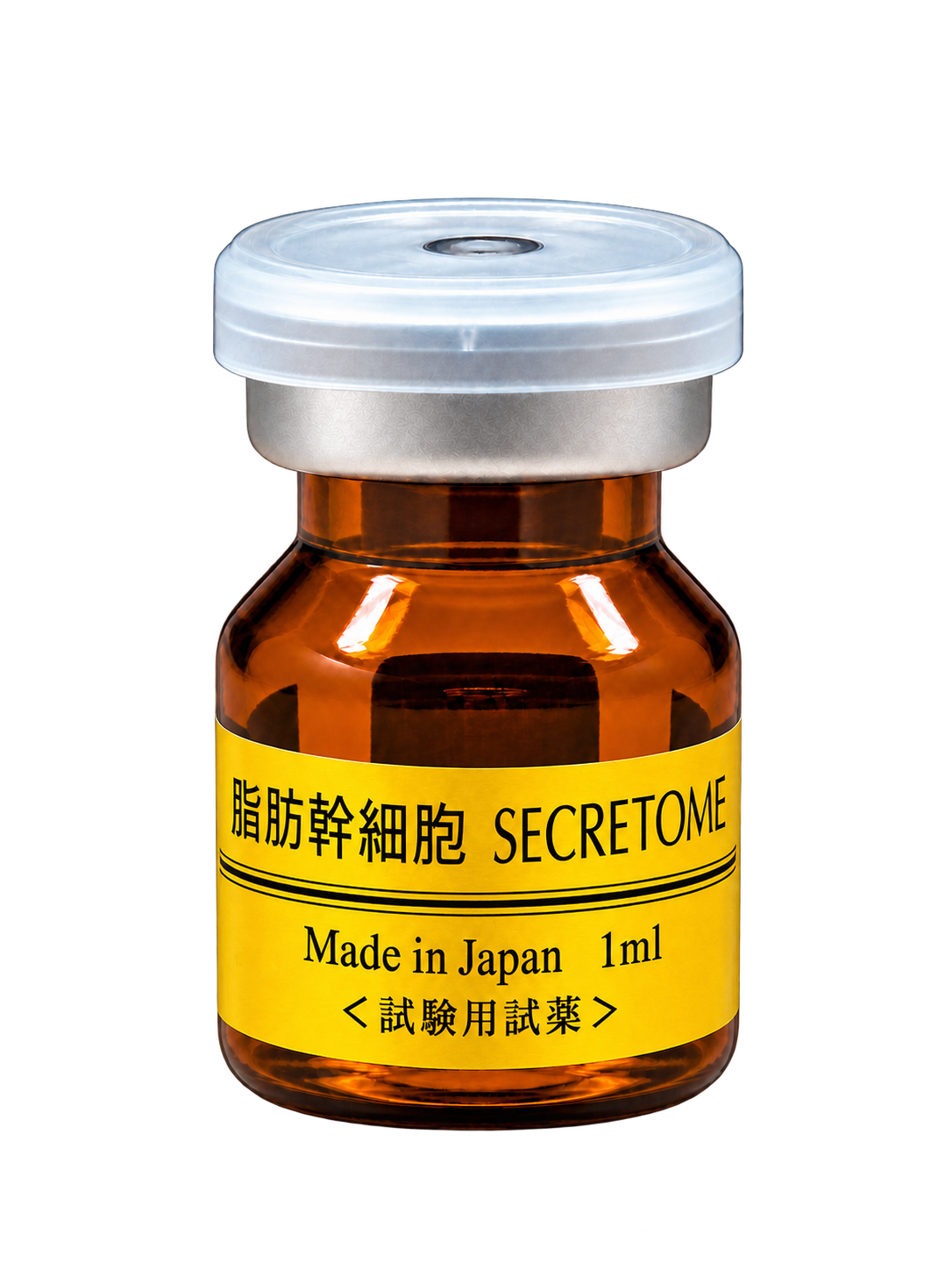
A product obtained by culturing mesenchymal stem cells derived from human adipose tissue and collecting their secreted components.
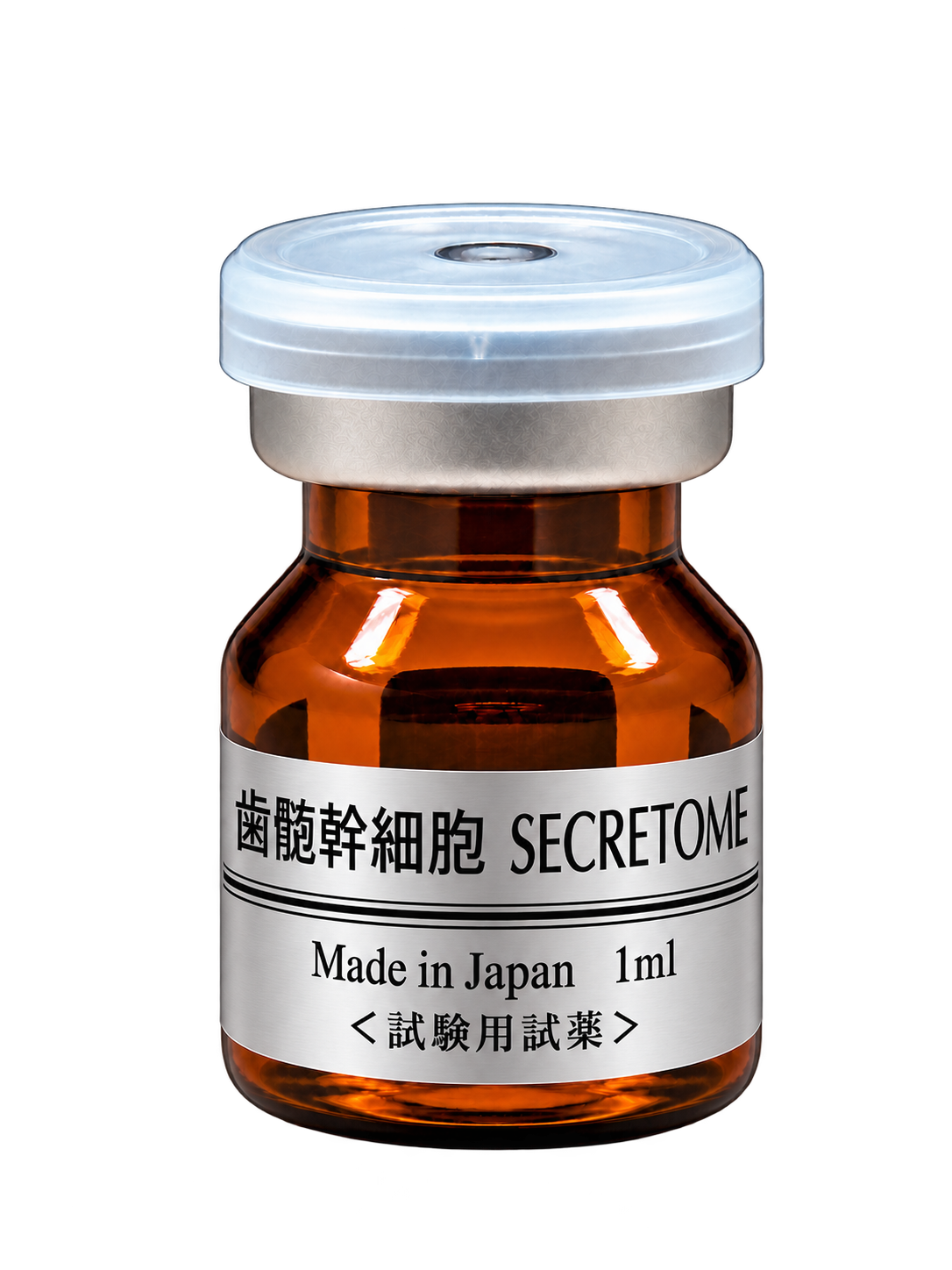
A product obtained by culturing mesenchymal stem cells derived from human dental pulp tissue and collecting their secreted components.
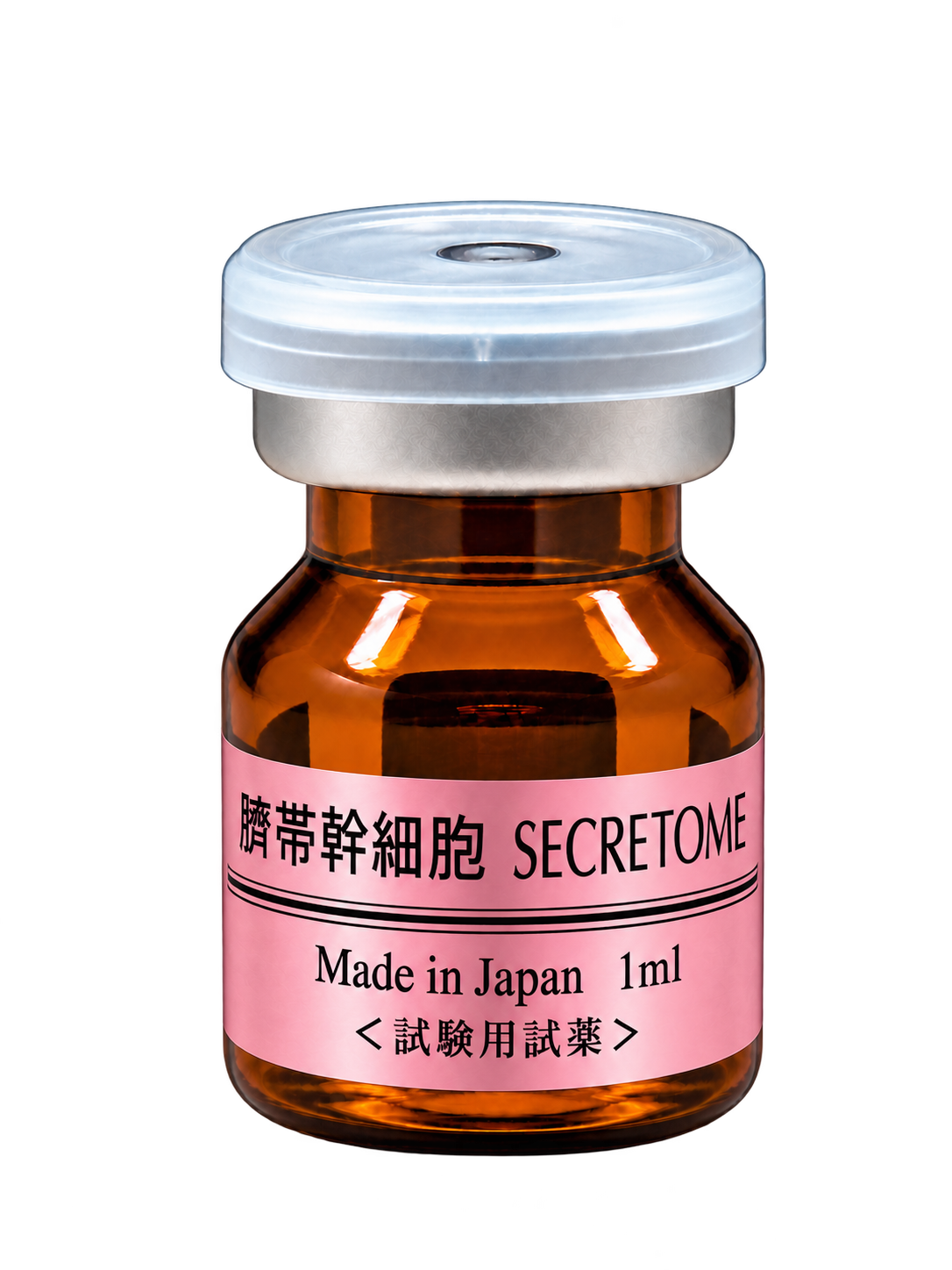
A product obtained by culturing mesenchymal stem cells derived from human umbilical cord tissue and collecting their secreted components.
Providing all the information you need for product selection—from formulation type to storage conditions.
| Item | Frozen Liquid | Freeze-Dried |
|---|---|---|
| Product Category | Research Reagent | |
| Cell-derived | Adipose tissue, dental pulp, umbilical cord | |
| Product form | Frozen liquid | Freeze-dried (lyophilized) |
| Content / Raw material quantity | 1 mL per vial | Freeze-dried from an amount equivalent to 1 mL of raw material |
| Country of manufacture | Japan | |
| Culture method | Two-stage culture | |
| Culture Medium | Free from serum and exogenous proteins | |
| Quality Testing | Sterility, endotoxins, mycoplasma, etc. | |
| Storage conditions | Store frozen at −18°C or below | Generally stored at room temperature; refrigeration is recommended depending on ambient temperature conditions |
| Expiration date | 2 years from the date of manufacture | |
Both frozen liquid and freeze-dried forms are available for all three types: derived from adipose tissue, dental pulp, and umbilical cord.
We provide all necessary information, from product specifications to quality-related documentation.
This product is a research reagent. It is not approved as a pharmaceutical product.
Product specifications and handling conditions are provided on an individual basis.
To help you review product specifications and quality information, we provide quality-related documentation, including Safety Data Sheets (SDS), Certificates of Analysis (COA), raw material specifications, and cytokine measurement certificates.
Please contact us individually regarding the scope and terms for the provision of these documents.
We are available to assist with inquiries regarding product specifications, handling conditions, and quality-related documentation.
We provide information tailored to your specific inquiry, whether it concerns product specifications, quality documentation, or handling conditions.
HLE Medical accepts inquiries regarding the specifications, quality documentation, and handling conditions for our stem cell secretome products.
We provide information based on your specific needs for products derived from adipose tissue, dental pulp, or umbilical cord.